Why PRP Therapy Could Be The Natural Solution to Your Chronic Back Pain
Chronic back pain can be life-altering. Whether it’s a dull ache from worn-out joints or sharp sciatic pain shooting down your leg, it often feels like relief is out of reach—especially if you’re trying to avoid surgery or long-term medications. But there’s a natural, minimally invasive option gaining ground in regenerative medicine: Platelet-Rich Plasma (PRP) therapy.
What Is PRP and How Does It Work?
PRP is made from your own blood. After drawing a small sample, your platelets—the components responsible for tissue repair and healing—are concentrated 5–10 times higher than normal. This potent solution is then injected directly into the injured area of your spine, such as the discs, joints, or nerves.
Unlike steroid injections that simply mask pain, PRP addresses the root of the problem. By delivering growth factors directly to damaged tissues, PRP supports real healing and long-lasting relief.
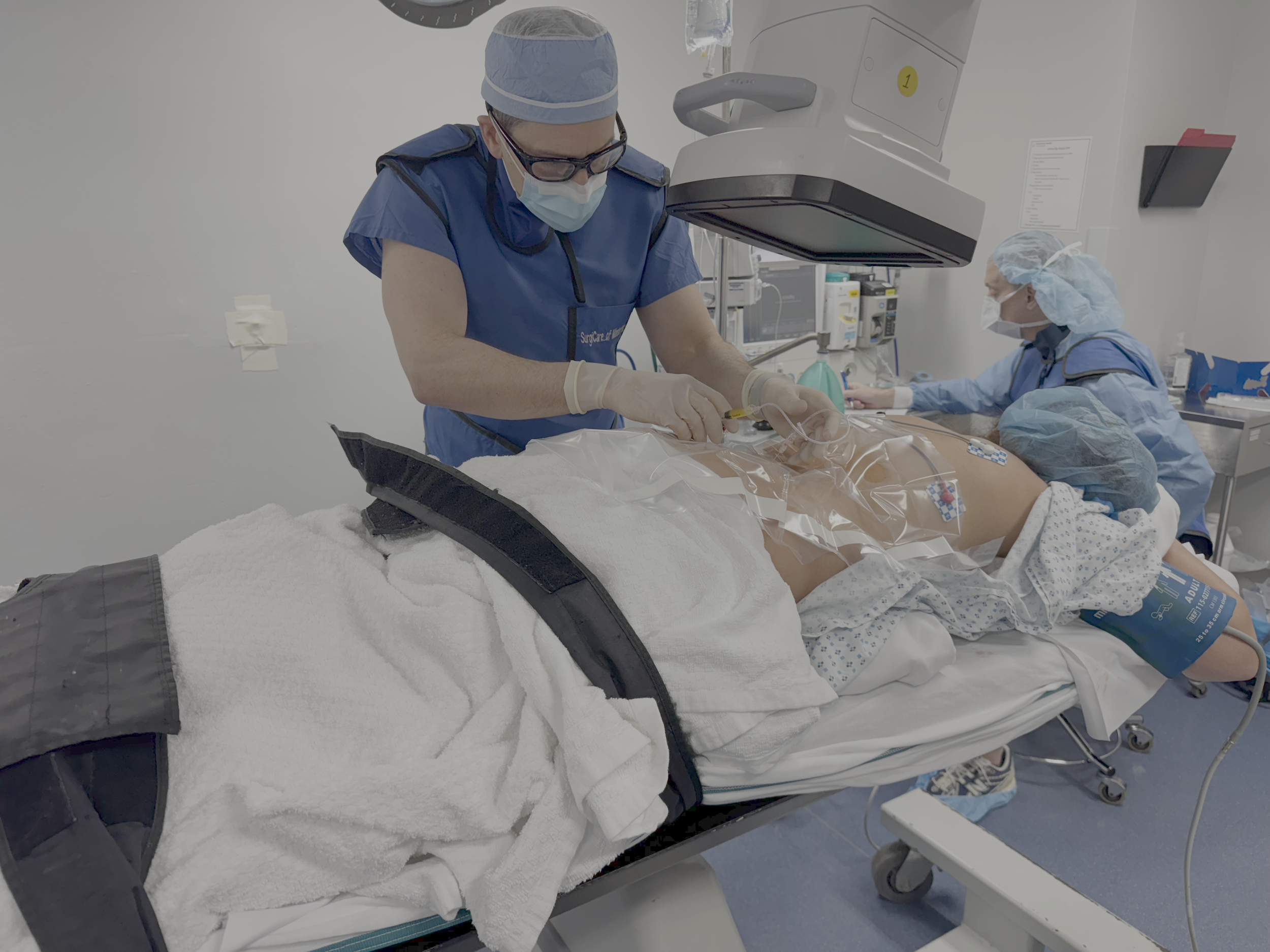
Dr. Evan Queler administering PRP injections in-clinic at Tru Whole Care in Midtown, NY.
How PRP Targets the Main Causes of Back Pain
PRP is effective because it can be precisely targeted to the source of your pain. Here’s how it works for three of the most common causes of back pain:
1. Disc Pain
Intervertebral discs act as shock absorbers between your vertebrae. When they’re damaged or dehydrated, pain and dysfunction follow. PRP repairs the disc’s outer layer and revitalizes internal disc cells, improving hydration and slowing degeneration—getting to the root cause of chronic disc pain .
2. Facet Joint Pain
Facet joints, located on either side of your spine, can become stiff and arthritic. While steroid injections offer temporary relief, they can accelerate joint damage over time. PRP provides a natural alternative, reducing inflammation, repairing cartilage, and stabilizing the joint—offering longer-lasting results without harmful side effects .
3. Sciatica
Sciatica often stems from a herniated disc pressing on a spinal nerve. PRP injected into the epidural space can reduce inflammation, promote healing of both the disc and nerve, and stabilize the spine. Studies have shown PRP to offer greater, safer, and longer-lasting relief compared to traditional epidural steroid injections .
Why Choose PRP Over Steroids or Surgery?
While steroid injections offer fast-acting pain relief, they come with potential risks: hormonal imbalances, high blood pressure, elevated blood sugar, osteoporosis, and more. Plus, they don’t heal the underlying problem.
PRP, on the other hand, is autologous—meaning it’s derived from your own body—so the risk of side effects is low. And because it supports the body’s natural healing mechanisms, it offers lasting benefits like pain relief, tissue repair, and improved function .
What Results Can You Expect from PRP?
PRP isn’t a quick fix—but it is a lasting one. Most patients begin to see improvement within one month, with peak benefits at around six months. Relief often lasts longer than a year. For conditions like annular tears, disc degeneration, facet joint arthritis, sacroiliac (SI) joint dysfunction, or sciatica, PRP may be the next meaningful step in your healing journey .
Take the Next Step
If you’ve been living with back pain that hasn’t improved with conservative treatments and you want to avoid surgery or long-term medication, PRP therapy could be the safe, natural solution you’ve been looking for.
📅 Schedule a consultation today to explore whether PRP is right for your condition.
Bonus Tip:
While you’re considering PRP, you can start strengthening your spine at home. Try searching for McGill’s Big Three or The Founder Exercise on YouTube—simple, spine-safe routines to help support your recovery starting today.